| Price per person | No of people |
|---|---|
| $1,900 - $3,000 | 1+ |
Price range 1900-3000 USD, please contact with us to get personal quotation.
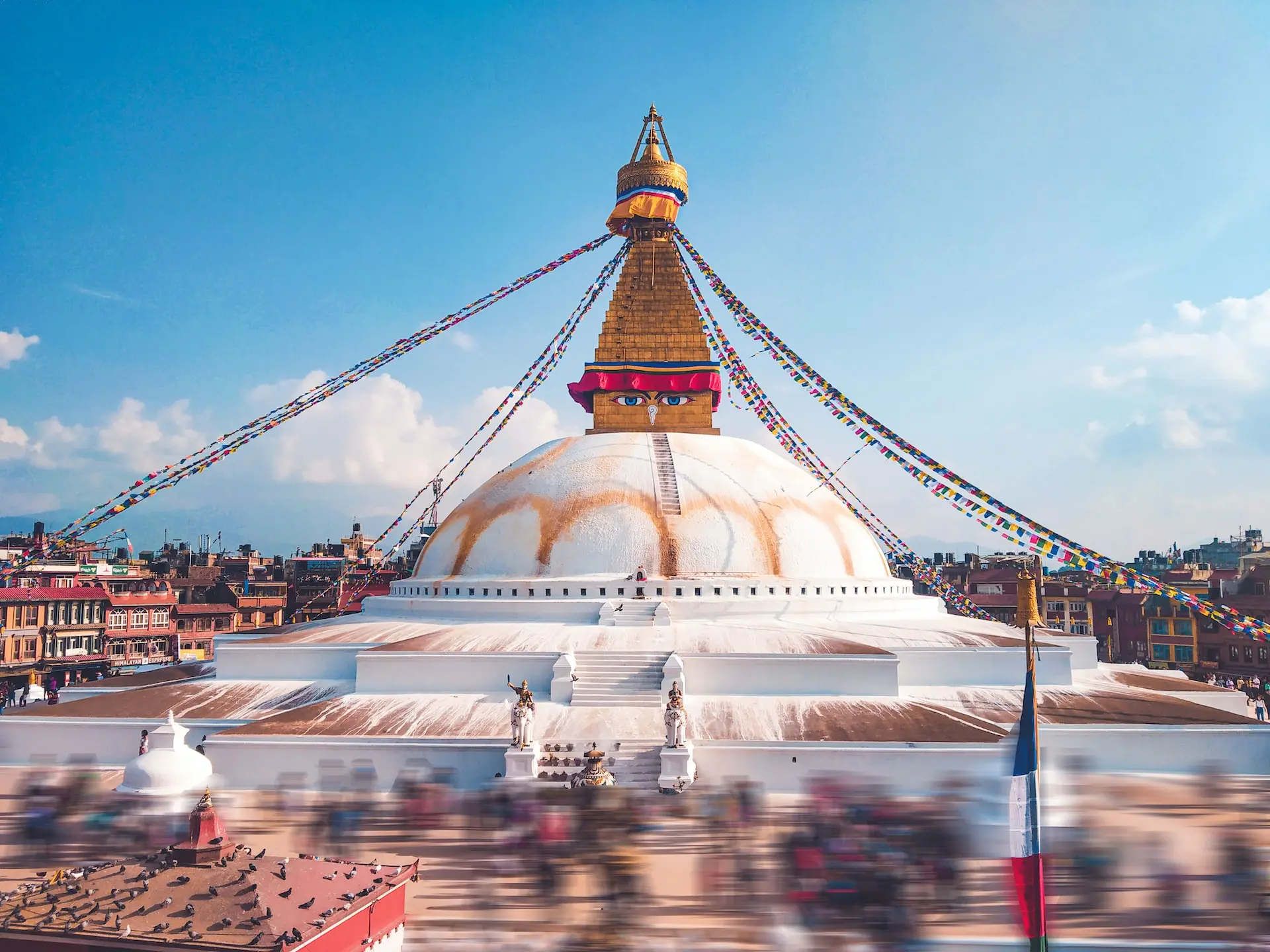
Upon arriving at Tribhuvan International Airport in Kathmandu, you’ll be welcomed by a representative and transferred to your hotel. After settling in, there will be a trip briefing where you’ll meet your guide and fellow trekkers. You can spend the rest of the day exploring the bustling streets of Thamel, a vibrant tourist hub, or visiting cultural landmarks like Swayambhunath (Monkey Temple).
Plan for an evening briefing on last minute details regarding your trek. Overnight at a hotel in Kathmandu.


This is our scheduled Acclimatization Day 1. Acclimatization does not mean a complete rest day; instead, it involves spending two consecutive nights at the same altitude while hiking to a higher altitude during the day.
However, we have made a slight modification to this plan. Instead of spending two nights in Namche, we will descend to Khumjung Village, which is slightly higher than Namche.
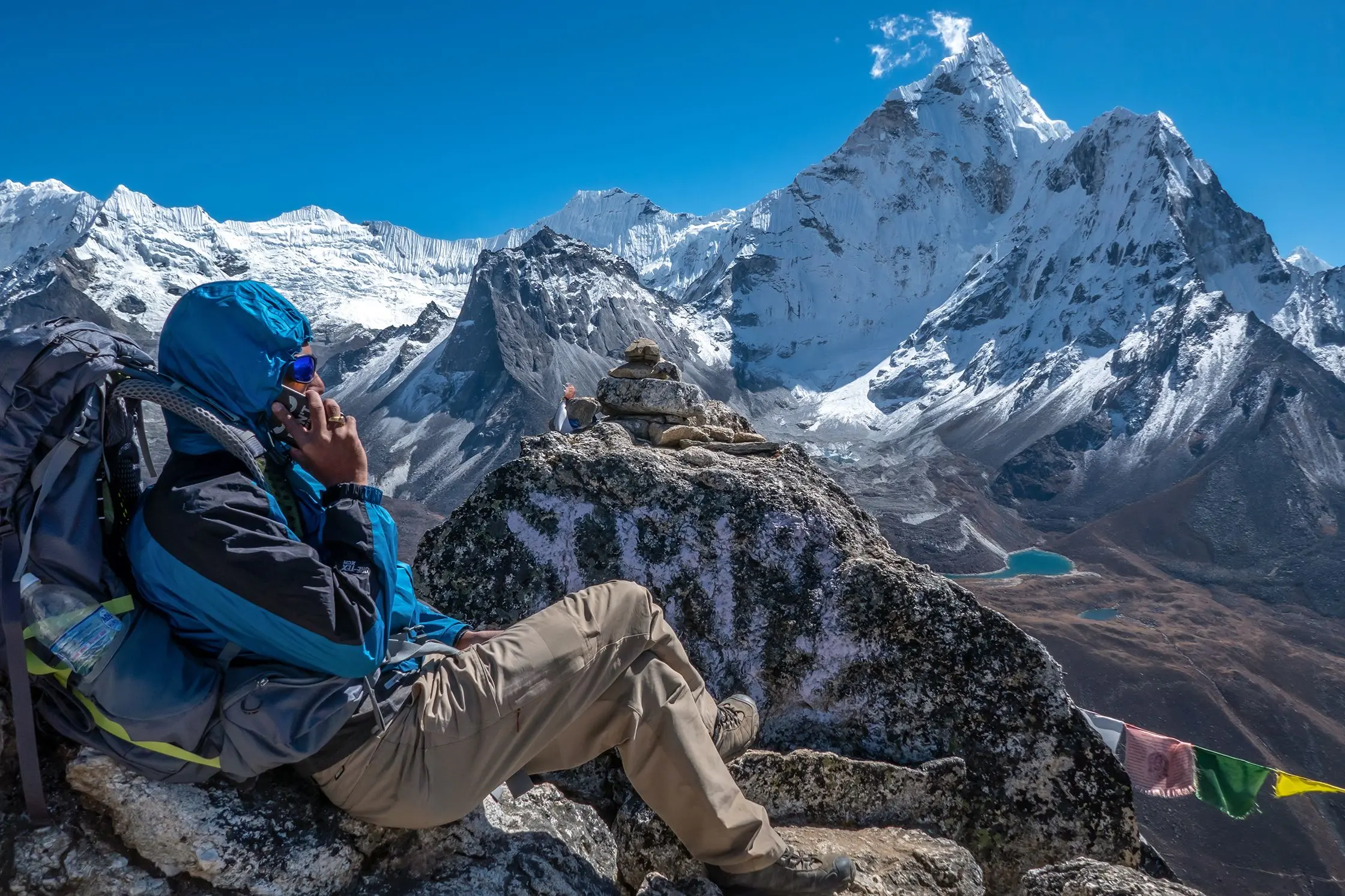
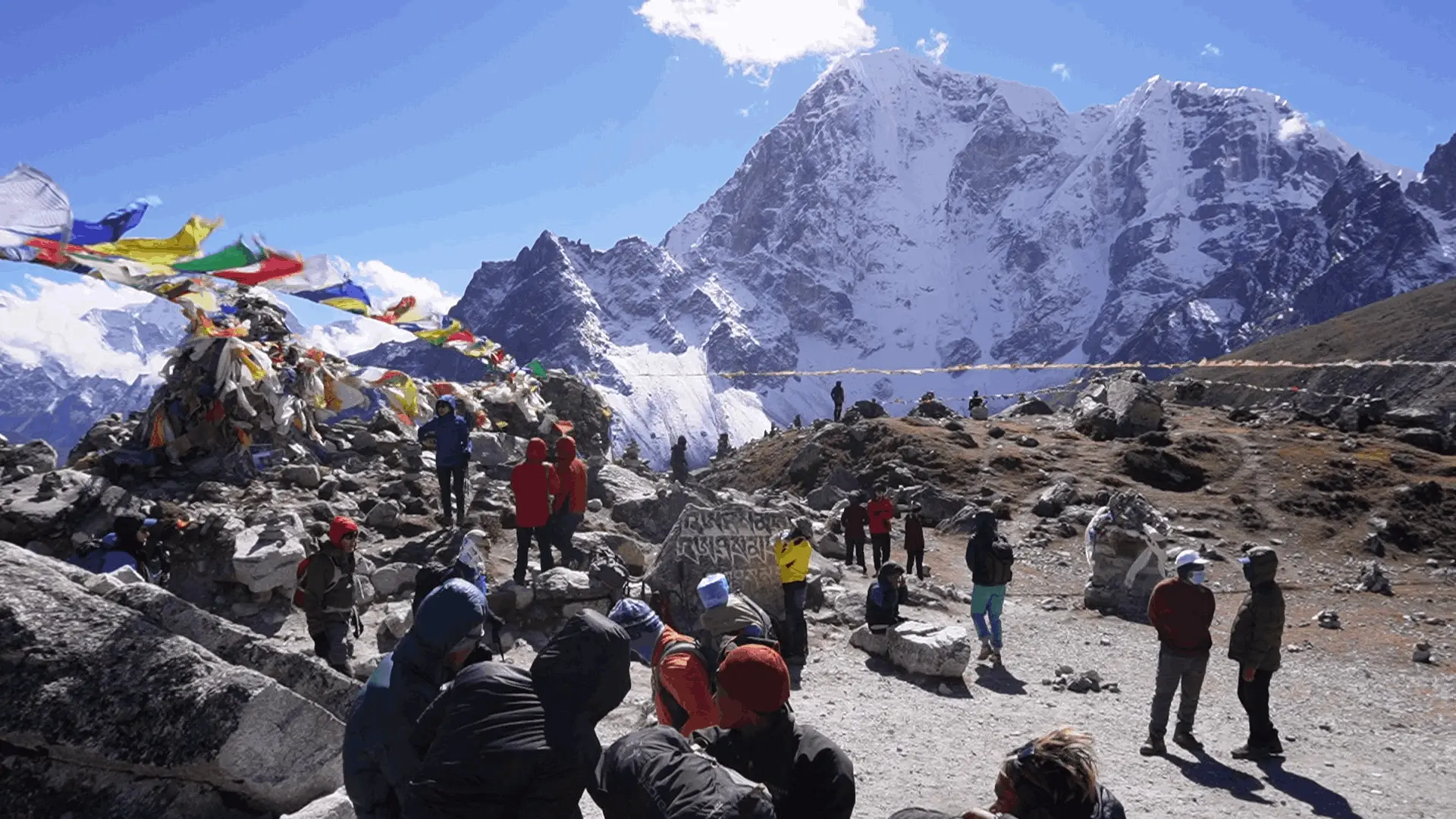
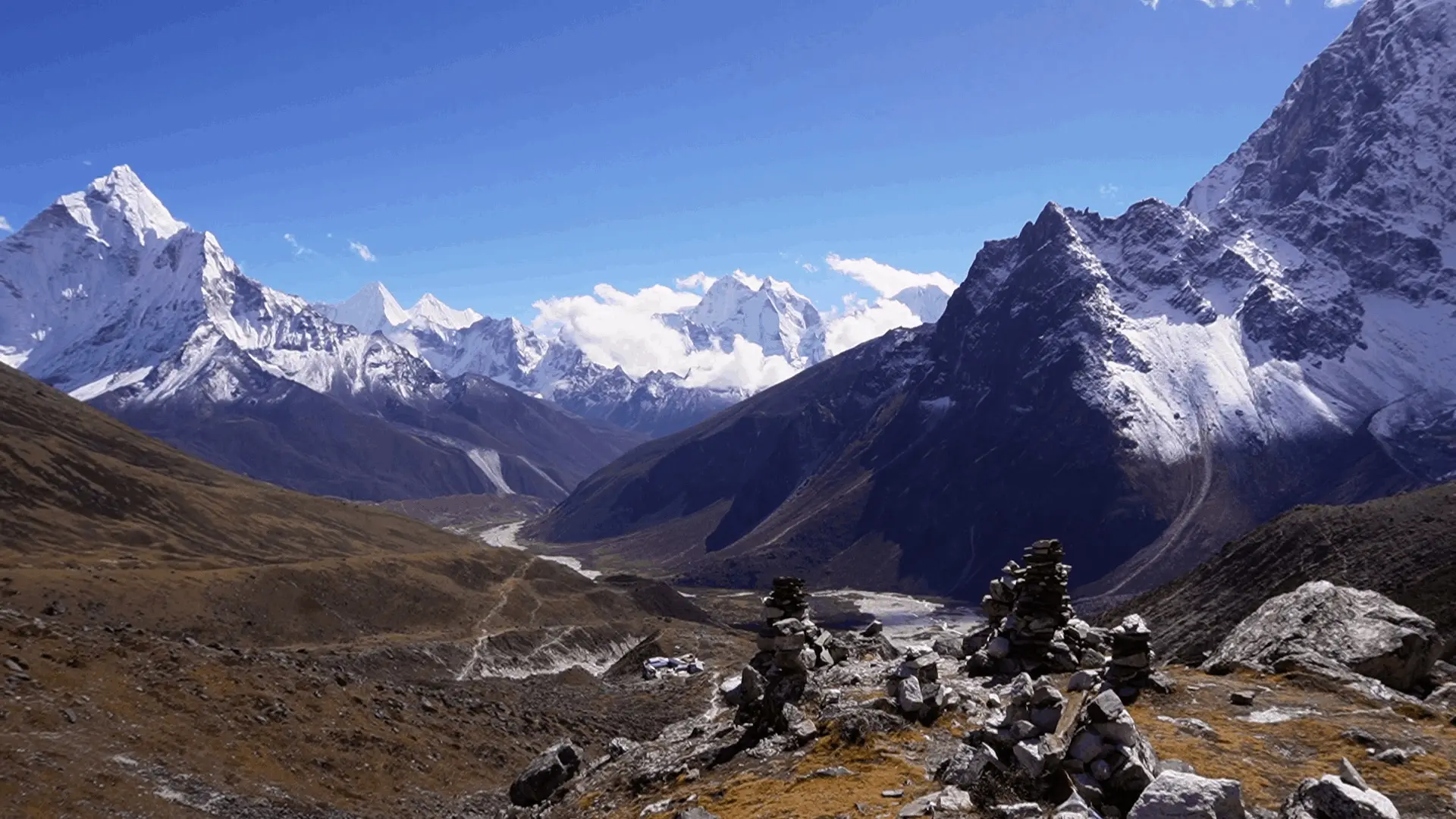
Khumjung Village is a charming Sherpa settlement with unique cultural and natural attractions. During the day, we will hike to the Everest View Hotel via Syangboche Airport, where we can enjoy stunning views of the Himalayas, including Mount Everest (8848m), Lhotse (8516m), Ama Dablam (6856m), Thamserku (6608m), Kangtega (6979m), Mount Kusum Khangaru (6367m), Kongde (6011m), Tawoche Peak (6367m), Cholatse (6335m), Imja Tse (Island Peak) (6179m), and Khumbila, also known as the God of Khumbu (5761 m). We will spend the night at a teahouse in Khumjung village.
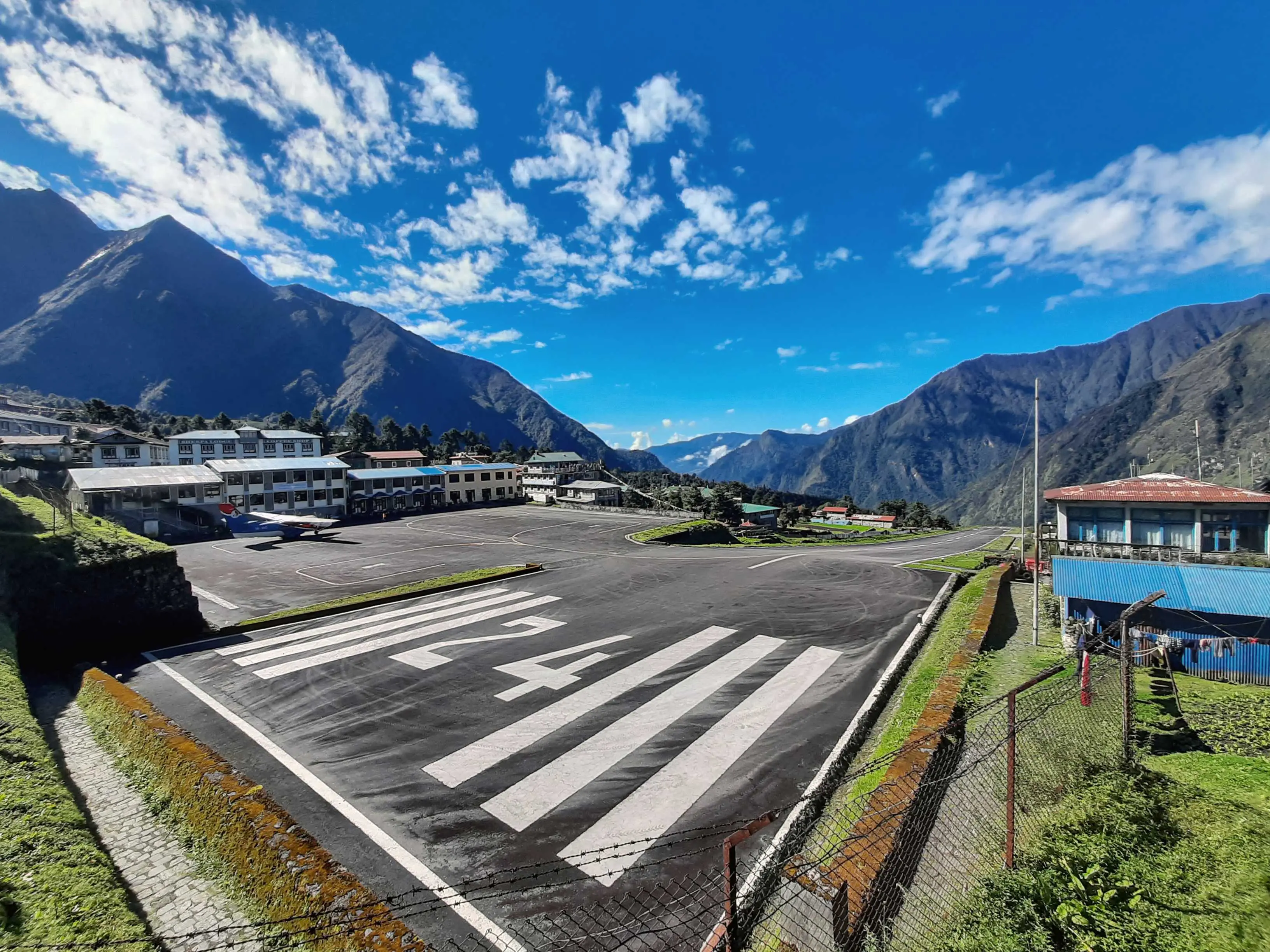
However, during peak season, flights usually go to Ramechhap Airport in Manthali instead. The flight time from Lukla to Kathmandu is approximately 40 minutes, while the flight to Manthali takes about 20 minutes. The drive from Manthali to Kathmandu takes 5 to 6 hours by private vehicle and 6 to 7 hours by bus. Overnight at a hotel in Kathmandu.
Our airport representative will drop you off at Kathmandu International Airport for your outward journey.
These costs are usually your responsibility. Depending on the selected itinerary, some or all these costs are excluded from the quoted price of the package.
Cost of packages for the Everest Region.
The cost of trekking packages in the Everest Region varies based on several factors, including trek duration, the number of trekkers, whether the trip is private or on a group basis and whether you choose a budget or luxury experience, the season, porter service requirements, but guides are an integral part of this trek. The modes of transportation and types of accommodation also vary. The Everest Region has several accommodation facilities: Tea Houses, Guest Houses, and Hotels. All the rooms have twin-sharing arrangements during the journey, so you must share them with other trekkers. You may, however, reserve a separate room, but it will be more expensive. Prices for these treks generally range from 1450 USD to 2000 USD for the Everest View Trek and 1900 USD to 3000 USD for the Everest Base Camp Trek per person (based on a single person) and higher for longer treks. For luxury packages, the price could be double. Also, the larger your group, the lower the per-person cost, as some costs could be shared, like transportation by private vehicle or accommodation.
TMT specializes in all-inclusive trekking packages from Kathmandu, some with heritage sightseeing tours. Depending on accommodation, these packages can be budget-friendly adventures or luxurious getaways. We can also provide individually tailored packages to match your interests and preferences. Don't hesitate to contact the TMT team for a personalized quote based on your itinerary and preferred options.
The cost of these all-inclusive packages typically includes transportation from and to the international airport from your hotel, accommodation at the hotels in Kathmandu and in local lodges or guesthouses, meals (except lunch and dinner in Kathmandu), and the services of a licensed trekking guide and porter. We also include the cost of all necessary permits, such as the Sagarmatha National Park Permit, the Pasang Lhamu Rural Municipality Permit, the Trekking Permit (TIMS), and all the applicable local taxes. Please refer to the Included/Excluded Services and Items section for details.
Using an agency like TMT offers numerous benefits that make your trip much more comfortable. When you book a trek package with us, you won't have to worry about where to go, how to get there, or finding a place to stay overnight, especially during peak seasons. Traveling with a licensed local guide is also significantly safer. Do you have experience with high-altitude trekking? Are you familiar with how to recognize the signs of high-altitude sickness and how to manage it? By choosing TMT, the trek becomes a shared responsibility between you and the agency.
Where does the money you pay to the agency go? Almost all of it goes "back to the mountain," so to speak. Only a tiny fraction is spent on office expenses.
Transportation:
Trekking Permits:
Lodging Accommodations:
Food and drinks:
Cost for Guides and Porters:
Miscellaneous Costs.
Trekking Gear Cost:
Internet Wi-Fi and device charging Costs:
Tips and Donations:
Souvenirs and Gifts:
Nepal Tourist Visa fee and travel insurance:
You may also be responsible for additional costs not listed here. Please refer to the Included/Excluded Services and Items section for details.
The Everest Base Camp trek with Trail Mania Trekking was an experience of a lifetime! From the moment we landed in Kathmandu, everything was perfectly organized. Our guide was knowledgeable, supportive, and always ensured our safety and comfort. The breathtaking views of Everest, Ama Dablam, and the Khumbu Glacier were beyond words. The teahouses were cozy, and the food was surprisingly good for such a remote area. The acclimatization days helped a lot, and we successfully reached Base Camp without any major altitude issues. I highly recommend this trek to anyone looking for an unforgettable adventure!
The Everest Base Camp trek is considered moderately challenging, making it suitable for trekkers with a good fitness level. No prior trekking experience is required, but preparation is key. Expect to walk 5–7 hours daily on rugged terrain, with a few steep ascents and descents.
If you’re someone who loves adventure, craves new cultural experiences, and is ready to push your physical limits, the EBC trek is perfect for you.
The ideal time for the Everest Base Camp trek is:
•Spring (March-May): Clear skies, blooming rhododendrons, and pleasant temperatures.
•Autumn (September-November): Crisp weather, excellent visibility, and vibrant festivals like Dashain and Tihar.
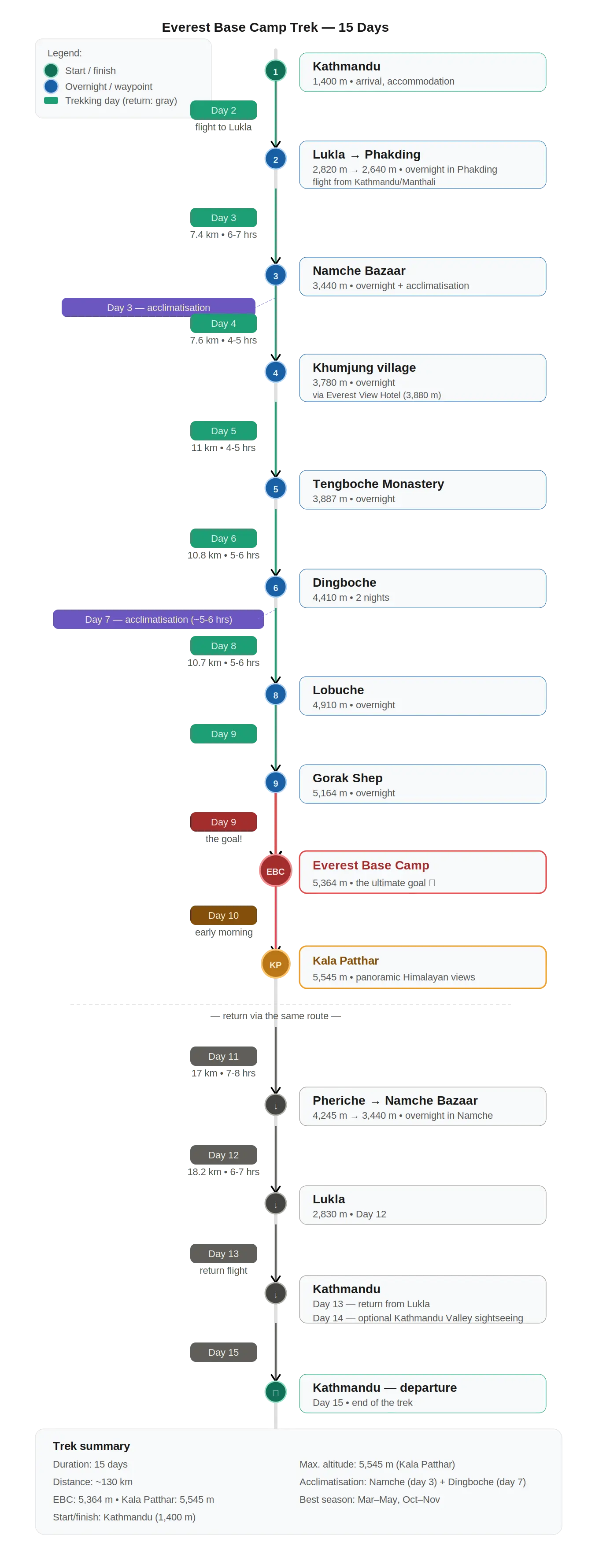
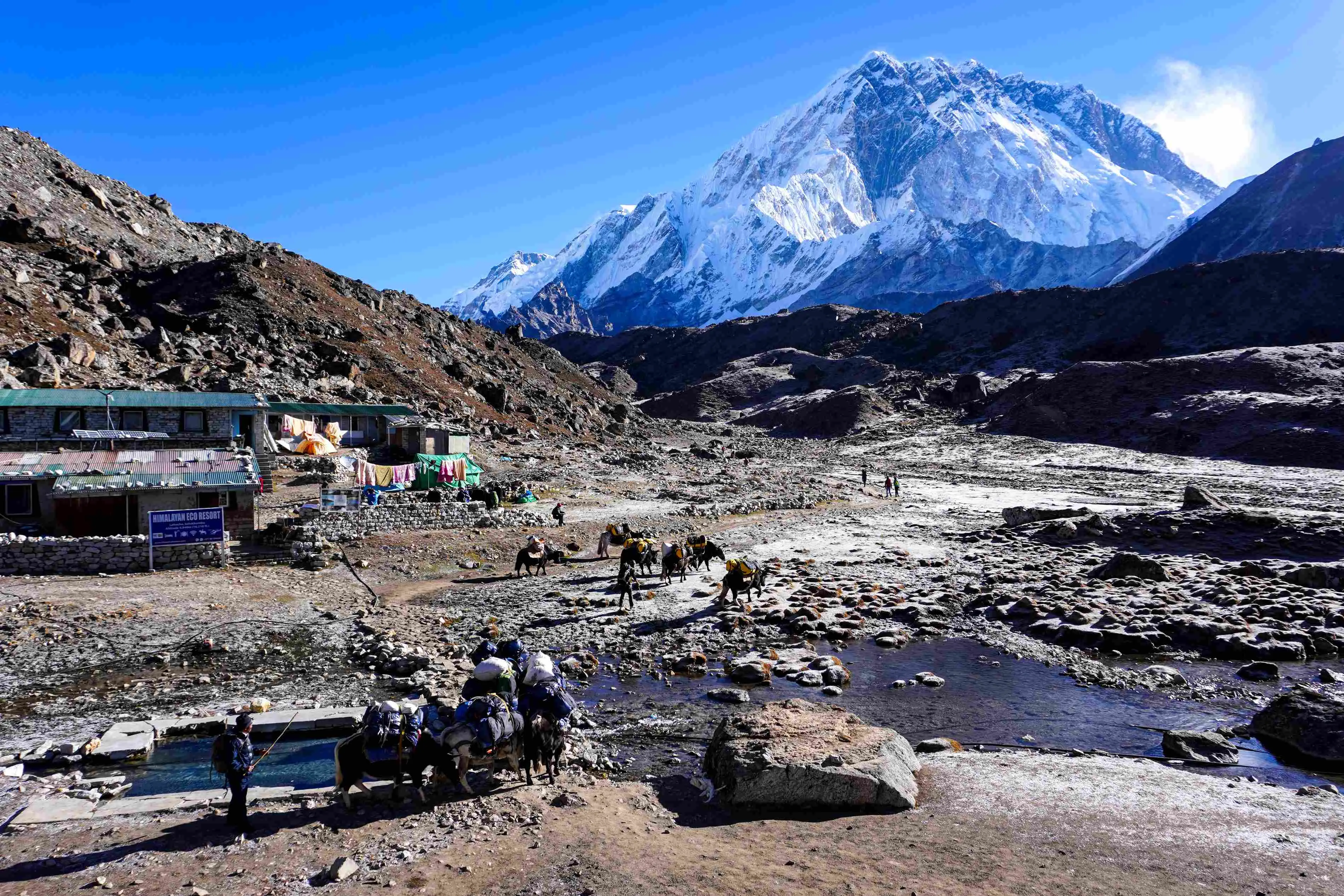
The Everest Base Camp Trek with Trail Mania Trekking is one of the most popular Himalayan adventures, offering trekkers the opportunity to explore the legendary Khumbu region, Sherpa culture, ancient monasteries, and breathtaking mountain landscapes. This 15-day journey begins in Kathmandu and continues with a scenic flight to Lukla before heading through beautiful villages such as Namche Bazaar, Tengboche, Dingboche, and Lobuche. The trek reaches Everest Base Camp and Kala Patthar, where trekkers can enjoy spectacular views of Mount Everest and surrounding peaks.
The Everest Base Camp Trek is considered a moderate to challenging trekking adventure because of the high altitude, long walking days, and changing mountain conditions. Trekkers usually walk between 5 to 8 hours per day on rocky Himalayan trails with gradual altitude gain. The highest point of the trek is Kala Patthar at 5,545 meters, which requires proper acclimatization and physical preparation. Trail Mania Trekking carefully designs the itinerary with acclimatization days in Namche Bazaar and Dingboche to help trekkers adjust safely to the increasing altitude.
The best seasons for the Everest Base Camp Trek are spring (March to May) and autumn (September to November) when the weather is stable, skies are clearer, and mountain views are excellent. During spring, trekkers can enjoy blooming rhododendron forests, while autumn offers crisp weather and excellent visibility of the Himalayas. Trail Mania Trekking also operates trips during other months, but winter and monsoon seasons may bring colder temperatures, snowfall, flight delays, and more challenging trail conditions.
During the Everest Base Camp Trek, accommodation is provided in comfortable mountain teahouses and lodges along the trekking route. These teahouses offer basic but welcoming facilities, including rooms with beds, blankets, shared bathrooms, and dining areas. In places like Namche Bazaar and Dingboche, trekkers can find slightly more developed lodges with additional services such as hot showers and charging facilities. Trail Mania Trekking selects reliable accommodations to ensure trekkers have a safe and comfortable stay throughout the journey.
Meals during the trek generally include breakfast, lunch, and dinner at local teahouses. Trekkers can enjoy traditional Nepali dishes such as dal bhat, as well as international options like noodles, pasta, soups, pancakes, rice dishes, eggs, and vegetables. Since trekking at high altitude requires sufficient energy, Trail Mania Trekking recommends balanced meals with enough carbohydrates, protein, and fluids. Vegetarian and dietary preferences can usually be arranged with advance notice to make the trekking experience more comfortable.
Physical preparation is important for successfully completing the Everest Base Camp Trek. Trekkers should begin training several weeks before departure with activities such as hiking, walking uphill, stair climbing, running, cycling, and strength exercises. Building stamina and improving cardiovascular fitness will make the long trekking days easier. Trail Mania Trekking recommends regular practice hikes while carrying a backpack similar to what you will use during the trek. Mental preparation is equally important because high-altitude trekking requires patience, determination, and a positive attitude.
Previous trekking experience is helpful but not mandatory for the Everest Base Camp Trek. Many first-time Himalayan trekkers successfully complete this adventure with proper preparation, gradual pacing, and guidance from experienced trekking professionals. The route is well-established, and Trail Mania Trekking provides experienced guides who support trekkers throughout the journey. However, participants should be comfortable walking for several hours each day and should prepare physically before joining the trek.
Altitude sickness is one of the main concerns during the Everest Base Camp Trek because the trail reaches elevations above 5,000 meters. Trail Mania Trekking follows a carefully planned itinerary with proper acclimatization days, including time in Namche Bazaar and Dingboche. Our experienced guides monitor trekkers for symptoms such as headache, nausea, tiredness, or breathing difficulties. Staying hydrated, walking slowly, eating properly, and allowing the body enough time to adjust are essential steps for reducing altitude-related risks.
Trekkers need official permits to enter the Everest region, including the Sagarmatha National Park permit and the Khumbu Pasang Lhamu Rural Municipality permit. These permits help protect the natural environment and support local development in the region. Trail Mania Trekking assists clients with arranging all required trekking permits before and during the journey, allowing trekkers to focus on enjoying the adventure without worrying about administrative procedures.
Packing the right equipment is essential for a safe and enjoyable Everest Base Camp Trek. Important items include warm layers, a waterproof jacket, trekking boots, thermal clothing, gloves, a hat, sunglasses, sunscreen, a sleeping bag, personal medicine, and a comfortable backpack. Since temperatures can change quickly in the mountains, layered clothing is highly recommended. Trail Mania Trekking provides detailed packing guidance before departure so trekkers can prepare properly without carrying unnecessary items.
 >
> >
>