In Nepal, trekking is generally suitable during the two seasons—Spring and Autumn. Nepal exhibits a remarkable variety of climates. The lowland plains are tropical, the midland hills are mild, and the high mountains experience sub-arctic and arctic conditions. For trekkers, the best times to visit are during the fall and spring, as these seasons provide clear skies, milder temperatures, and minimal precipitation.
Fall Peak Season: from late September through mid-December.
Autumn is the best trekking season in Nepal, with clear skies, fantastic weather, and outstanding views after the monsoon rains have cleared the air. The season starts in mid-September and extends through October, November to mid-December:
- Temperatures are mild, the weather is relatively stable, and the clear air offers superb views of the mountains.
- Bad weather can hit any time of year, but fall has the most reliable conditions. Occasionally, short storms dump considerable amounts of snow at high altitudes.
- Because of the most favorable weather, Nepal welcomes most trekkers in the fall season.
- Popular trails, such as the Everest Base Camp and the Annapurna Circuit, are bustling with visitors, and this activity extends from the trails to the teahouses.
- The Thamel district in Kathmandu is also filled with tourists during the fall peak season.
- The shoulder months can offer excellent trekking conditions, especially during the second half of September and early December. However, they also come with a bit more risk. If you’re fortunate, you might encounter peak-season weather with only a few other trekkers. On the other hand, if the monsoon extends or winter arrives early, the weather may not be as enjoyable.
Spring Season: from late February through mid-May.
Spring is the second most popular time of the year for trekking in Nepal, and it runs from late February through March and April to mid-May:
- The weather is more pleasant than in winter, with longer days and mildly warm temperatures at lower and moderate temperatures at higher elevations.
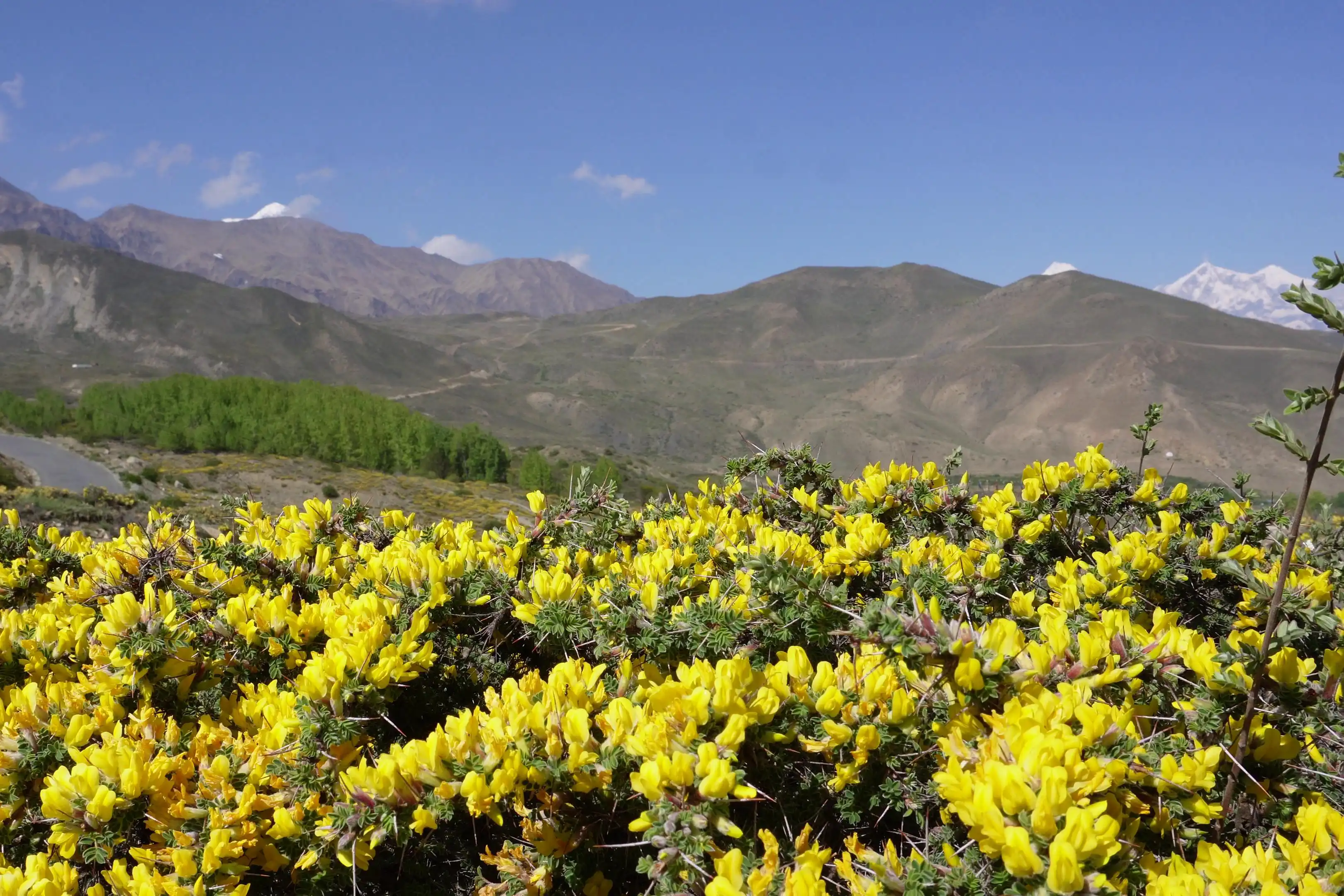
- The landscape is vibrant with blossoming wildflowers, including the famous giant rhododendrons.
- The trails are less crowded than during the autumn season.
- March and April are usually drier than May, but May has more alpine flowers.
- Some days have clear skies, while others have clouds around lunchtime or afternoon.
- Evenings are often sparklingly clear.
Winter Season: from late December through mid-February.
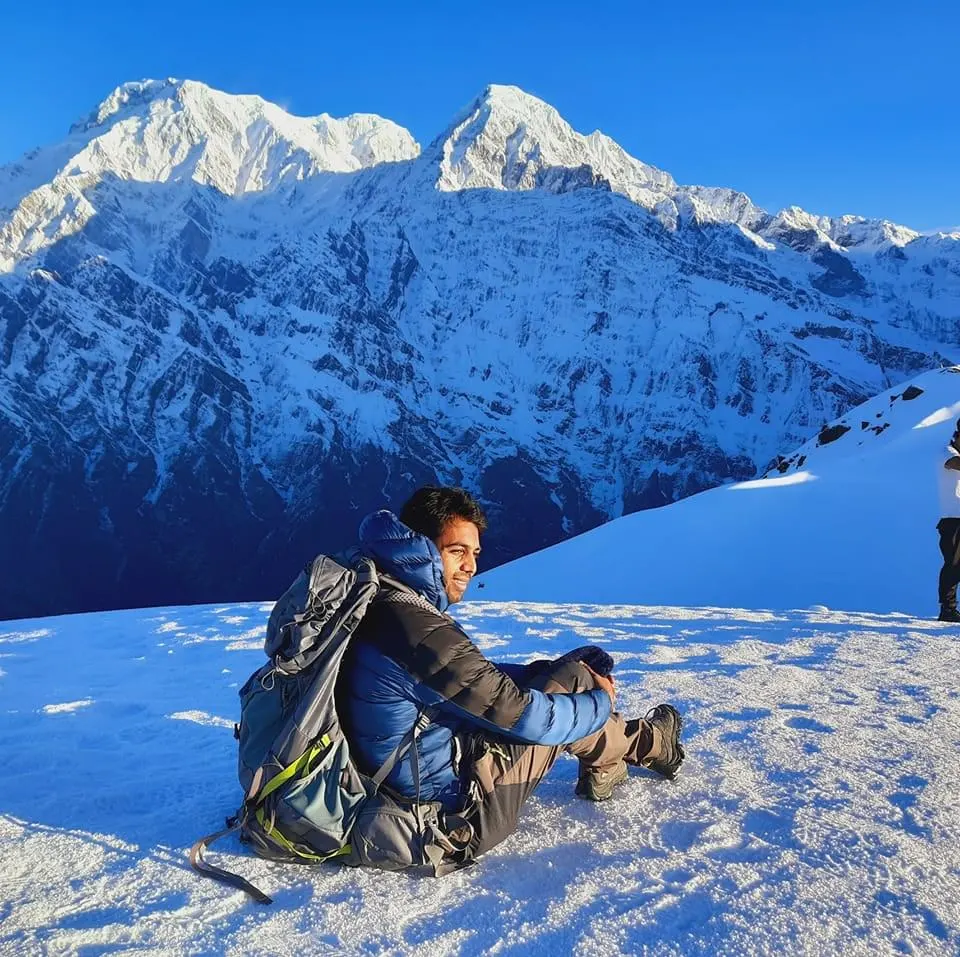
December, January, and February are the winter months in Nepal. These months are frigid in the mountains, with foggy and cloudy mornings and evenings but clear afternoons. Snowfall is common at higher elevations with risks of strong winds and cold temperatures. If you insist on visiting Nepal during winter, it could be an ideal time for trekking at lower elevations, offering stunning scenery.
Recommended Trekking for Winter Season in Nepal:
- Mardi Himal Trek
- Ghoreapni Poon Hill Trek
Monsoon (Summer) Season: from the end of May through August.
In Nepal, the Monsoon (Summer) season (sometimes called the ‘Stay Away’ Season) starts at the end of May through June and July and extends until the end of August. Heavy rainfall makes trekking unfavorable during these months. However, the monsoon season could be best for lower-elevation hill treks, some areas connecting Tibet, and rain-shadow areas like Upper Mustang Trek.
Significant heat and moisture rise from the Indian Ocean, bringing hot temperatures with high humidity, clouds, haze, and rain. These conditions block views, create messy trails (with leeches), and lead to significant problems with ground transportation. Due to extensive flooding and frequent mudslides, some areas might be inaccessible for days or weeks. In conclusion, it is best to ‘stay away’.
 >
> >
>