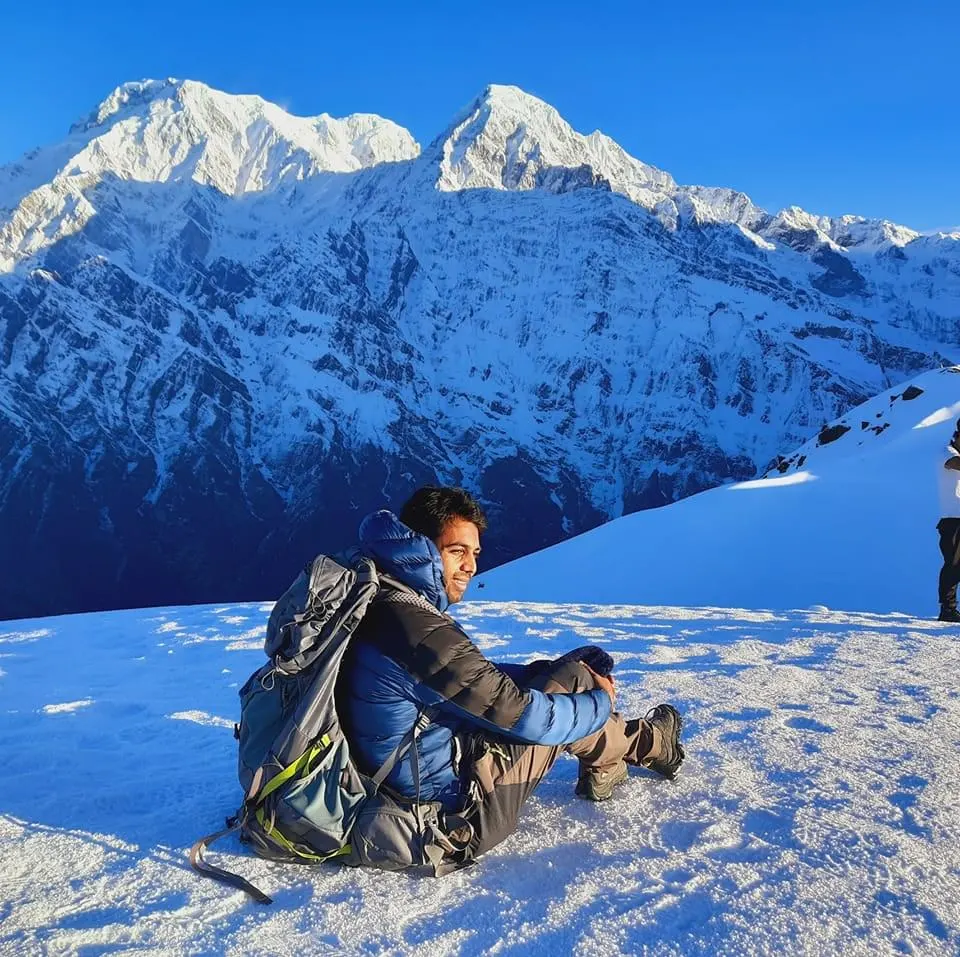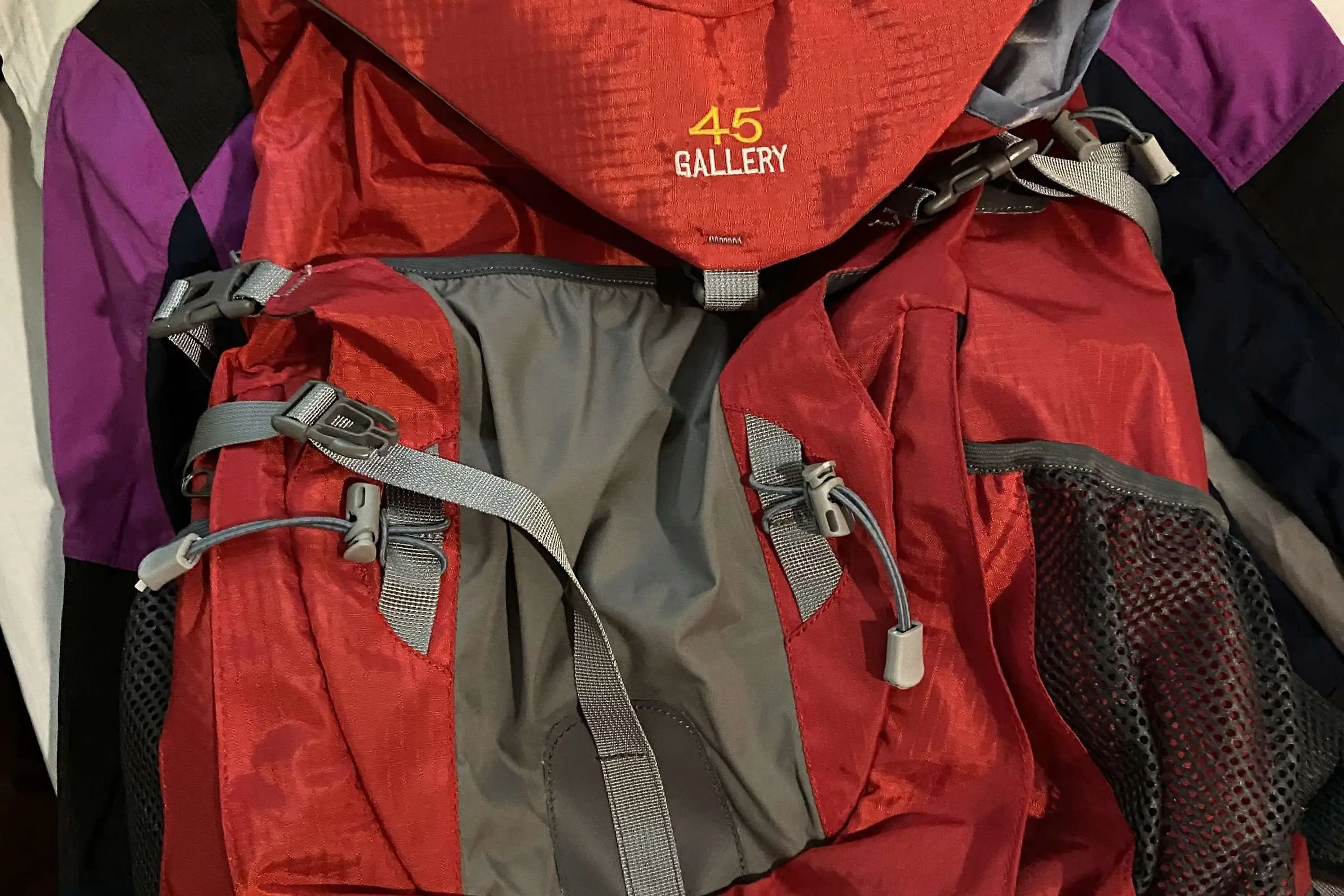
When hiking on any trail in the Himalayas, it’s essential to pack light but wisely. Efficient packing is crucial since you will carry your gear fully or partially if you have a porter. You may need to adjust your items based on the weather and trail conditions. Some items on the list may not be necessary for the warmer climate at lower altitudes, so choose wisely. We’re here to help and happy to answer any questions! Here are the essential items you should bring for your trek:
Clothing
Footwear
Trekking Gear
Personal Items/ Toiletries
Navigation and Communication
Miscellaneous
Food in Nepal:
Cost of food, non-alcoholic drinks, coffee, hot chocolate, hot water, or tea during the trek. Food menus at the lodges may include local delicacies and Western-style cuisines. However, don’t expect lavish provisions of food and lodging in high-altitude places. We recommend trying the local dish known as Dal Bhat. It is often referred to as the trekking food in Nepal. A famous saying is, “Dal Bhat Power, 24 Hour.” Drinkable water is available on the trek. You can drink directly from water taps, which the locals drink. You can use medication to purify the water if you are unsure, or there are water refilling stations along the route. Those stations serve boiled, drinkable water and charge you around 25 to 100 Nepalese Rupees (NPR). Or you can purchase bottles of mineral water, which cost around 25 to 300 NPR, depending on our current altitude.
Transportation:
Transportation costs to and from Pokhara are significant cost. For example, a one-way flight is 115 -120 USD (for foreigners), a Luxury Tourist Bus is 30 USD, but the least expensive is a Tourist Bus at 10 USD, and a Private Car is 110 USD. Or you can hire an SUV for Pokhara, which can cost 80 to 130 USD. For some packages, we must use a high-clearance all-terrain “jeep” that costs 125 to 150 USD. We could also use a one-way helicopter charter flight from 1500 USD to 2000 USD if you like, but that would be an extra cost to you.
Accomodation:
Accommodation costs during trekking at tea houses and guesthouses; however, the quality, service, and amenities vary. The tea houses have twin-shared bedrooms, communal dining rooms, and shared or private bathrooms. Some teahouses offer attached bathrooms, but do not expect it everywhere. You get essential bed items like pillows and blankets, so carrying a sleeping bag is wise for trekking at high altitudes. During peak season, trekkers might need to spend the night in the dining hall at high-altitude locations. If this happens to you, don’t feel discouraged; the dining area is reliable regarding warmth and safety. We will try to get the best possible accommodation during your trek.
Trekking guide:
Do you need to hire a trekking guide to trek in Nepal? In the past, the answer would have been “NO,” except in a few restricted areas. However, things have changed. As of April 1, 2023, the Nepal Tourism Board has implemented a new rule requiring foreign trekkers to hire a trekking guide to trek in any Himalayan region of Nepal.
The rule was long-awaited, as many independent trekkers go missing in the mountains every year, particularly during heavy snowfall. Therefore, hiring a trekking guide is now mandatory for trekking in Nepal, while hiring a porter remains optional.
TMT utilizes licensed, experienced, English-speaking trekking guides by the Government of Nepal Ministry of Culture and Tourism and qualified to guide trekkers in any destination throughout the Nepalese Himalayas. If needed, we can also provide guides who speak other languages. The cost of a Guide—30 to 35 USD per day—covers their insurance, food, accommodation, and the guide’s salary. A trekking guide is a person who leads trekkers along a trail, offering navigation and valuable information about the mountains, scenery, flora, fauna, and local culture. In Nepal, a trekking guide serves as a trek leader, a manager who arranges accommodation in advance, and an organizer who adjusts the itinerary according to your hiking pace. Additionally, they assist with communication by translating between Nepali and English, and they can help in case of emergencies, such as if a trekker becomes ill in the high Himalayas.
A trekking porter is a supporting character in trekking adventures. These physically fit men come from mountainous regions and are responsible for carrying your trekking gear. They usually do not speak fluent English and walk at their own pace. Therefore, it is essential to have a daypack with all the items you need for daily hikes. Each porter is typically paired with (2) two trekkers and carries a total weight of 20 to 25 kg, depending on their strength. Hiring a porter is still your choice. We will provide one if you feel your bag is too heavy and want to make walking more manageable on the steep trails. However, if you prefer not to have a porter, that’s completely fine, and we will deduct that cost from the package price. The cost of hiring a porter is USD 25 to 30 per day, which covers insurance, food & accommodation, and the porter’s pay.
Regardless of their job, these are humble, friendly, and hard-working people earning a living in their local communities to support their families and themselves. You might make a few new friends when you finish your trek in Nepal.
Communication:
The Internet is necessary for many of us; thankfully, Wi-Fi service is available at some teahouses but is often slow and may have a charge. The regular fee for Wi-Fi per day is around 5 USD. Consider purchasing a local SIM card for connectivity. Wi-Fi service at hotels in large cities is usually free of charge.
Solar energy and generators are frequent sources of electricity, and there may be costs associated with charging devices. Charging stations are typically available in teahouses and lodges, with fees ranging from 2 to 5 USD. In larger cities, hotels often provide device charging services free of charge.
Tips:
When trekking in Nepal, it’s customary to tip your crew after the adventure. While tipping is not mandatory, it is expected. You may also consider donating money to assist other people or groups in need. Ultimately, the decision to tip or donate is up to you, so having extra cash on hand is a good idea for tips and a well-deserved beer at the end of your trek.
Not all cultures have a tipping custom, but in Nepal, tips are appreciated to express gratitude. Trekking crews work diligently to take care of you and your belongings. As a guideline, we recommend tipping lead guides at approximately 20 USD per day, assistant guides (in larger groups) at 15 USD per day, and porters at 10 USD per day.
While these guidelines provide a good foundation, you shouldn’t feel obligated to adhere to them rigidly. While rewarding your guide and porter for their excellent service and hard work, it’s essential to consider your individual experience during the trek.
When should you tip the trekking crew? You should give tips to your crew just before saying goodbye. Typically, you would provide tips to your porters and assistant guides first, as the lead guide often accompanies you longer, even during the journey back to Kathmandu by car or plane.
Do you need to tip in cash? Nepal operates primarily on a cash economy, so tips should be given in cash. You can tip in either Nepali Rupees (NPR) or US Dollars. Withdraw rupees from ATMs while in Kathmandu or Pokhara. Alternatively, you can exchange cash at a bank. Tipping porters in your group with Nepali Rupees (NPR) is advisable, as they may not have good opportunities to exchange foreign currencies.
When packing for your trek in the Annapurna, Everest, Langtang Regions, or any other trekking destinations in Nepal, it’s essential to approach the task with confidence. While there isn’t a one-size-fits-all answer, certain essential items are necessary: woolen clothing, hats, gloves, pants, sunglasses, scarves, medicines, toiletries, and sturdy shoes. Remember that the significance of specific clothing will vary based on the season, weather, and temperature.
It is vital to be well-prepared for any situation during your trekking adventure. Consider your options carefully to ensure you have everything you need. With this guide, we hope you’ll be equipped to identify the essential items to pack and confidently leave behind the nonessentials.
Enjoy your trekking experience!

 >
> >
>